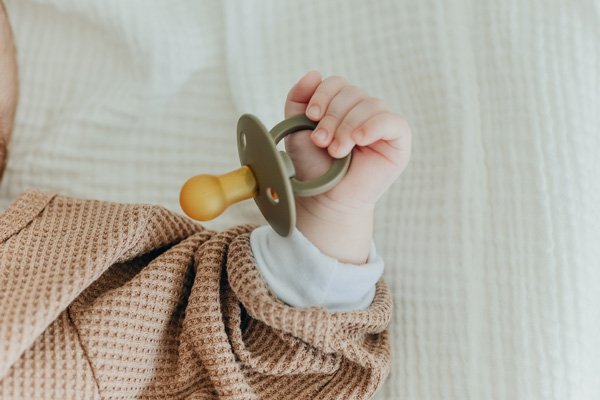
 Concerned about your child's pacifier use? Read on to find out why it is important to break that habit sooner rather than later. Breaking an ingrained habit in a child is a difficult task. As a kid grows older and their behavior persists, it becomes important to seek a professional for dental habit counseling. According to the American Academy of Pediatrics, pacifier use should be stopped by the time the child is six months old.
Dentists recommend removing the pacifier after five months of age to prevent emotional attachments that are difficult to stop. Dental arch development may also be affected by oral habits like pacifiers or thumb-sucking.
The importance of stopping pacifier use
Preterm infants and newborns who are having difficulty breastfeeding or being bottle fed may benefit from the use of pacifiers to help them start sucking. Parents in these kinds of circumstances often benefit from the advice of baby feeding professionals and lactation consultants. Long-term usage of pacifiers and tongue thrusting causes changes in the mouth’s shape and tongue position, an open bite, an inability to close the lips, and mouth breathing.
It becomes necessary to retrain the oral muscles, especially the tongue, to acquire the correct tone, placement, and function of the oral motor system. Therefore, parents struggling to stop their children’s pacifier habit may need dental habit counseling.
The need for dental habit counseling
Parents often wonder why it is so difficult to overcome a pacifier habit. Sucking on pacifiers and one’s fingers are non-nutritive behaviors that produce enormous endorphin and dopamine releases for the child. Previously, sensory habits were thought to have a psychological basis, but new data reveals that they may be neuromuscular. Sucking on a pacifier or finger stimulates the production of these “feel good” endorphins and dopamine chemicals. There is a need for methods to detach the finger or pacifier nipple from the palate to stop this chemical reaction.
Families must be ready to assist a kid in stopping the habit through dental habit counseling and using the critical component of positive reinforcements. It is common for these sessions to include a hands-on activity to keep the kids active. To keep track of their development and acknowledge their achievements, a progress calendar is recommended. During the process of habit elimination, children tend to react well to positive reinforcement.
Some families can incorporate a verbal or physical signal to urge pacifier-use cessation in public to minimize embarrassment. When a child’s mouth or airway is in an abnormal position due to oral habits, they may be more susceptible to bedwetting. The dentist can also teach the child proper breathing habits.
Final Thoughts
Many emotional and self-esteem disorders may arise from long-term routines. Inspire yourself to be your child’s partner on this journey while being a calm and supportive presence. If your child cannot seem to wean off pacifier use, get in touch with your pediatric dentist.
Request an appointment or call Tiny Teeth Pediatric Dentistry at 516-272-4450 for an appointment in our Mineola office.
Related Posts
Children need good oral health, which is your child may require pediatric dentistry services. It is important that the teeth, gums, and mouth be properly cared for in order to prevent issues with tartar, plaque, and cavities. There are times when a tooth could be damaged from a fall or other trauma, but decay could…
Pediatric dentistry focuses on diagnosing, preventing, and treating oral health concerns in children who still have their baby teeth. This review closely examines what parents and the pediatric dentistry team can do to protect baby teeth from cavities, dental trauma, and other forms of damage.Caring for baby teeth should involve brushing and flossing regularly, limiting…
Dental check-ups are an important part of oral health care. In pediatric dentistry, children should have a check-up every six months to keep teeth and gums healthy. Dental check-ups help to detect and treat any issues with the teeth and gums as they arise and can help prevent further issues from occurring.Dental check-ups should begin…