How a Pediatric Dentist Approaches Sedation Dentistry
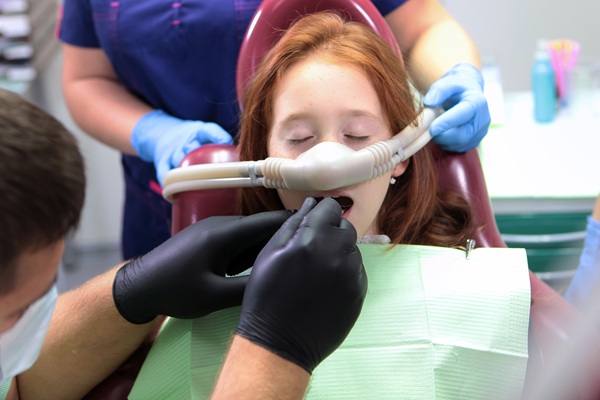
Sedation dentistry is a valuable tool for providing young patients with a comfortable and stress-free dental experience. For many children, dental visits can be anxiety-inducing, especially when it comes to procedures such as fillings, extractions, or even simple cleanings. Sedation dentistry allows a pediatric dentist to ensure that a child remains calm and relaxed throughout the treatment.
Types of sedation dentistry pediatric dentists use
Pediatric dentists often have access to various forms of sedation to help children feel more at ease during dental procedures. The choice of sedation depends on the child's age, medical history, and the complexity of the treatment. The most common methods of sedation dentistry in pediatric care include nitrous oxide (also known as laughing gas), oral sedation, and intravenous (IV) sedation.
Nitrous oxide
This is the most common form of sedation for children. The dentist will administer nitrous oxide as a gas through a mask, allowing the patient to inhale it. After a few minutes, a calming effect will take hold, allowing the dental team to perform the treatment. Fortunately, the gas's effects will wear off within a few minutes of removing the mask, allowing patients to resume normal activities shortly after the procedure.
Oral sedation
In cases where nitrous oxide is not sufficient or unavailable, the dentist may recommend oral sedation. They will instruct parents to give their child a sedative in the form of a liquid or pill before the appointment. This form of sedation promotes relaxation before, during, and after the procedure.
IV sedation
The dentist may use IV sedation for more extensive treatments or for children who have severe dental anxiety. This method involves administering a sedative through an intravenous line, which helps induce a deeper level of relaxation. The pediatric dentist and their team will closely monitor the patient to ensure the child's safety.
Why pediatric dentists use sedation dentistry
Sedation dentistry serves several purposes in pediatric dental care. One of the primary reasons is to alleviate fear and anxiety. Many children are naturally apprehensive about dental visits, and sedation helps ensure they can receive the care they need without experiencing undue stress. It is especially beneficial for children with special needs or those who have difficulty sitting still for extended periods.
Further, sedation dentistry helps improve the efficiency of the procedure, especially when children are involved. By keeping the child calm and relaxed, the dentist can perform treatments more quickly and effectively, reducing the need for multiple appointments. This is particularly helpful for children who may struggle to cooperate during lengthy or invasive procedures.
Safety considerations in sedation dentistry for children
A pediatric dentist's number one concern is patient safety. These dentists undergo specialized training to ensure they understand how to use sedation techniques appropriately and monitor children during sedation. Before using any form of sedation, the dentist will assess the child's medical history, allergies, and any potential risks to ensure the chosen method is the safest option.
Of course, parents are welcome to discuss any concerns or questions with the pediatric dentist before the procedure. It is essential to follow the dentist's instructions regarding eating or drinking before the appointment, as some sedatives require an empty stomach.
Call us for more information
Sedation dentistry is beneficial in helping dentists provide quality dental care in a comfortable, relaxed environment. Do you have an anxious child or one who may struggle to sit through a full dental appointment? Contact our office to learn more about our sedation dentistry options.
Request an appointment here: https://tinyteethpediatricdentistry.com or call Tiny Teeth Pediatric Dentistry at (516) 272-4450 for an appointment in our Mineola office.
Check out what others are saying about our dental services on Yelp: Sedation Dentist in Mineola, NY.
Related Posts
Children need good oral health, which is your child may require pediatric dentistry services. It is important that the teeth, gums, and mouth be properly cared for in order to prevent issues with tartar, plaque, and cavities. There are times when a tooth could be damaged from a fall or other trauma, but decay could…
Pediatric dentistry focuses on diagnosing, preventing, and treating oral health concerns in children who still have their baby teeth. This review closely examines what parents and the pediatric dentistry team can do to protect baby teeth from cavities, dental trauma, and other forms of damage.Caring for baby teeth should involve brushing and flossing regularly, limiting…
Dental check-ups are an important part of oral health care. In pediatric dentistry, children should have a check-up every six months to keep teeth and gums healthy. Dental check-ups help to detect and treat any issues with the teeth and gums as they arise and can help prevent further issues from occurring.Dental check-ups should begin…
Pediatric dentistry visits should begin while the child is still a toddler. Early visits allow the dentist to better understand every child’s oral development while baby teeth emerge. They can also diagnose and address any oral health concerns early to minimize their short-term and long-term impact.The following is a complete guide to pediatric dentistry for…