Baby Root Canals: What Parents Need To Know about Saving Baby Teeth
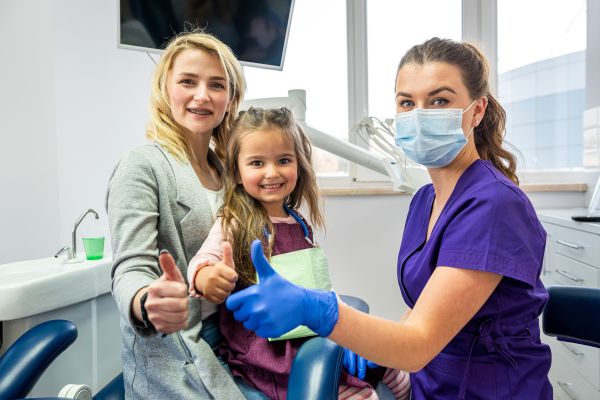
Does your child need a baby root canal? Read on to learn more about this restoration. Pediatric dentists typically prioritize prevention, mostly to avoid procedures like a baby root canal. However, sometimes, a root canal can be suggested when a primary tooth is severely damaged. For parents, this might be surprising. Since the baby's teeth with eventually fall out, one might question the need to save them. However, these little pearly whites do serve several functions, including chewing, speaking, and allowing room for the permanent teeth to come through properly. Therefore, if it isn’t time for the tooth to fall out naturally, it might be best to try to save it with a baby root canal instead of an extraction.
An overview of baby root canals
The exterior of all teeth has an incredibly tough coating called enamel. Dentin, which is the layer under the enamel, is also hard, though it has microscopic tubes. When dentin is exposed after enamel erodes, cold and hot sensations can travel through these tubes and cause teeth to ache. The pulp is also found underneath these layers in the pulp chamber and passageways called canals. It is a living tissue with nerves and blood vessels.
When a baby root canal is recommended
Trauma such as sports injuries can infect and inflame the pulp. Bacteria and deep cavities in kids can harm the pulp too. If untreated, the infection might spread into the canals and to the tips of the roots of the teeth, causing serious pain and an abscess.
Parents will need to visit the dental office to determine whether their kid needs root canals or not. The dentist will use advanced diagnostics to see what is inside the child's teeth and how best to proceed. However, if the child is experiencing signs like a needling, throbbing pain, sensitivity to hot and cold that lasts after eating or drinking, a darkening tooth, and considerable pain when eating or exerting pressure on the teeth, then a baby root canal might be necessary.
The reason dentists perform root canals on baby teeth is to preserve the rest of the tooth system related to the main tooth and keep the gums and bones that hold it together secure. Baby root canals can keep the teeth healthy and help prevent future infections. Except in cases where the tooth will soon fall out, a root canal on a baby tooth might be an alternative rather than an extraction.
What happens during the baby root canal procedure?
Root canals have a bad reputation but pediatric dentists utilize modern methods and technology so the child will be comfortable throughout the treatment. Many patients think the experience is like getting a filling. Dental professionals also provide sedation dentistry for kids who need special attention, like nervous children or children who need extensive procedures.
The pulpotomy, or baby root canal therapy, involves numbing the gums and teeth. After that, using smaller tools, the dentist will remove the damaged pulp and nerve. They will completely clean and sterilize the area before applying medication. The last step is to seal the little hole that is left. To protect the tooth, a crown is usually recommended. The crown restores the tooth’s shape and protects it.
Final note
Pediatric dentists treat patients conservatively and work to preserve the natural structure of the tooth. If a baby root canal is the most effective option for your kid, the dental professional will explain all the options and recommend what you should do next. Book an appointment with our dental office today to get started.
Request an appointment here: https://tinyteethpediatricdentistry.com or call Tiny Teeth Pediatric Dentistry at (516) 272-4450 for an appointment in our Mineola office.
Check out what others are saying about our dental services on Yelp: Do I Need a Root Canal in Mineola, NY.
Related Posts
Children need good oral health, which is your child may require pediatric dentistry services. It is important that the teeth, gums, and mouth be properly cared for in order to prevent issues with tartar, plaque, and cavities. There are times when a tooth could be damaged from a fall or other trauma, but decay could…
Pediatric dentistry focuses on diagnosing, preventing, and treating oral health concerns in children who still have their baby teeth. This review closely examines what parents and the pediatric dentistry team can do to protect baby teeth from cavities, dental trauma, and other forms of damage.Caring for baby teeth should involve brushing and flossing regularly, limiting…
Dental check-ups are an important part of oral health care. In pediatric dentistry, children should have a check-up every six months to keep teeth and gums healthy. Dental check-ups help to detect and treat any issues with the teeth and gums as they arise and can help prevent further issues from occurring.Dental check-ups should begin…
Pediatric dentistry visits should begin while the child is still a toddler. Early visits allow the dentist to better understand every child’s oral development while baby teeth emerge. They can also diagnose and address any oral health concerns early to minimize their short-term and long-term impact.The following is a complete guide to pediatric dentistry for…