How an Infant Dentist Helps Establish Good Oral Health
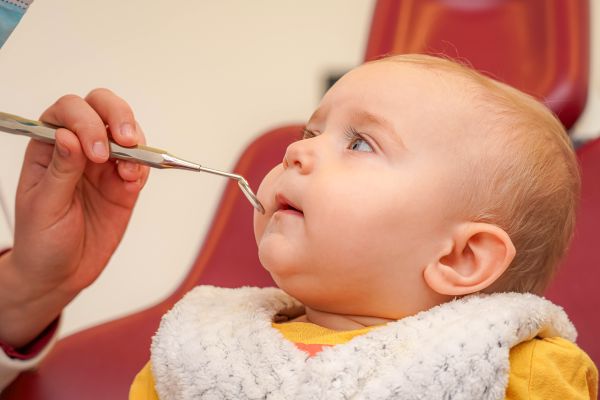
An infant dentist helps families build strong oral health habits from the beginning of a child's life, which can make a meaningful difference as the child grows. However, many parents and guardians are surprised to learn that dental care should start long before all the baby teeth come in. The first appointment is most beneficial when scheduled as soon as the first tooth erupts. Early care allows these pediatric dentists to check the teeth, address any issues promptly, and establish routines that support a healthier smile over time.
Why early dental care matters
It is a common misconception that dental care begins once a child has a full set of baby teeth. In reality, this care is more effective when started much earlier. The gums, tongue, feeding habits, and early tooth eruption patterns all play a role in how the mouth develops. A child who receives dental guidance as soon as the first tooth comes in often has a better chance of avoiding preventable issues later.
At every appointment, an infant dentist can help identify concerns before they become more difficult to manage. This includes early signs of decay, oral irritation, or feeding-related habits, among other problems. The dentist can also answer questions about oral hygiene to help caregivers feel more confident caring for the child’s smile at home.
How an infant dentist sets the stage for good oral health
A first dental visit for an infant is usually simple, gentle, and focused on education. An infant dentist, or pediatric dentist, will begin the appointment with an examination of the child's mouth. More specifically, the dentist will examine how the mouth is developing. The goal is to assess the gums and any erupted teeth, as well as to help the family understand what healthy development looks like.
An infant dentist also uses this visit to discuss daily routines with caregivers. Topics may include how to clean the gums, how to brush newly erupted teeth, what to expect during teething, and when to be concerned about habits such as thumb sucking. Starting this process early can make future visits feel more familiar and less stressful for the whole family.
Guidance is tailored and practical
An infant dentist tailors their guidance to the patient as an individual, taking into account their exact age and stage of development. While general advice can be helpful, caregivers often have specific questions once a baby starts teething or when feeding patterns begin to change. A pediatric dentist can make those conversations more practical by focusing on everyday routines. For instance, they can give personalized advice on:
- How to clean an infant’s gums and early teeth
- How bottle use, nursing habits, and nighttime feeding may affect oral health
- What to expect during teething and when symptoms may point to another issue
- How thumb sucking or pacifier use may affect the mouth over time
This kind of support can help caregivers make oral health decisions with more confidence. Moreover, it makes dental care feel like a normal part of infant wellness instead of something to think about only after a problem arises.
Good oral health starts in infancy
An infant dentist helps establish good oral health early by guiding families and monitoring dental development. Is your child due for a visit? Contact us to book an appointment today.
Request an appointment here: https://tinyteethpediatricdentistry.com or call Tiny Teeth Pediatric Dentistry at (516) 272-4450 for an appointment in our Mineola office.
Check out what others are saying about our dental services on Yelp: Infant Dentist in Mineola, NY.
Related Posts
Children need good oral health, which is your child may require pediatric dentistry services. It is important that the teeth, gums, and mouth be properly cared for in order to prevent issues with tartar, plaque, and cavities. There are times when a tooth could be damaged from a fall or other trauma, but decay could…
Pediatric dentistry focuses on diagnosing, preventing, and treating oral health concerns in children who still have their baby teeth. This review closely examines what parents and the pediatric dentistry team can do to protect baby teeth from cavities, dental trauma, and other forms of damage.Caring for baby teeth should involve brushing and flossing regularly, limiting…
Dental check-ups are an important part of oral health care. In pediatric dentistry, children should have a check-up every six months to keep teeth and gums healthy. Dental check-ups help to detect and treat any issues with the teeth and gums as they arise and can help prevent further issues from occurring.Dental check-ups should begin…
Pediatric dentistry visits should begin while the child is still a toddler. Early visits allow the dentist to better understand every child’s oral development while baby teeth emerge. They can also diagnose and address any oral health concerns early to minimize their short-term and long-term impact.The following is a complete guide to pediatric dentistry for…