How a Pediatric Dentist Approaches Teeth Whitening
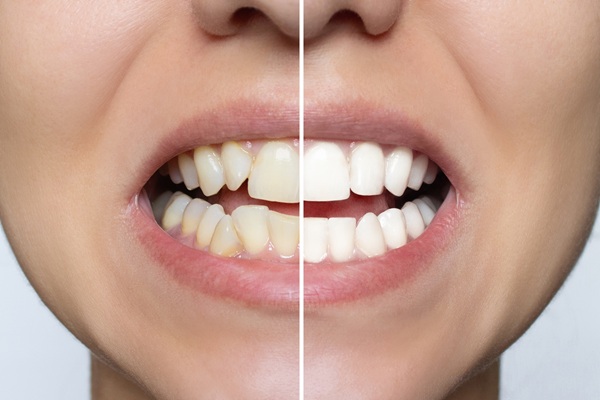
Teeth whitening is a popular cosmetic treatment aimed at enhancing the brightness of teeth, but when it comes to children, a pediatric dentist takes a thoughtful, cautious approach. While the desire for a bright smile may begin early, the timing, safety, and techniques used for teeth whitening in younger patients require careful consideration. Pediatric dentists focus on treatments that preserve enamel health while achieving optimal results.
When is teeth whitening appropriate for children?
Pediatric dentists typically recommend waiting until the child's permanent teeth have fully erupted before considering teeth whitening. Whitening treatments are most effective on fully developed teeth because younger, developing teeth may have softer enamel, which is more susceptible to damage from whitening agents. Typically, this means waiting until around the ages of 12 to 14, when most children have their permanent molars and incisors in place.
Before deciding on whitening, a pediatric dentist evaluates the patient's overall oral health. If the they have cavities, gum issues, or other dental problems, the dentist will want to address them before undergoing teeth whitening treatment. Only after ensuring the child's teeth are healthy will a pediatric dentist consider whitening options.
Methods a pediatric dentist may use
If a pediatric dentist determines that teeth whitening is appropriate, they will use methods specifically designed for younger patients. These treatments are gentle, effective, and more predictable compared to over-the-counter (OTC) products that can be too harsh for children's teeth.
Professional whitening treatments offered by pediatric dentists may include custom-fitted trays with a mild whitening gel. These trays are carefully designed to ensure the gel only comes in contact with the teeth, minimizing irritation to the gums and soft tissues. The whitening gel used in a dental office is also typically lower in concentration than those in OTC products, ensuring safer and more controlled results.
Some pediatric dentists offer in-office treatments as an option, where a stronger, dentist-administered gel is applied under professional supervision. This ensures the whitening process is both effective and safe for the child's developing teeth.
The importance of monitoring for sensitivity
Teeth whitening treatments can sometimes cause sensitivity, particularly in younger patients whose enamel is still developing. A pediatric dentist will closely monitor the child's response to treatment and adjust the process if needed. They may also recommend using a fluoride treatment before or after the whitening procedure to help strengthen enamel and reduce sensitivity.
It is important to remember that not all children's teeth are ideal candidates for whitening. If the discoloration is due to intrinsic factors like enamel defects or underlying medical conditions, teeth whitening may not yield the desired results. In such cases, a pediatric dentist may explore alternative options, such as bonding or crowns, to address cosmetic concerns.
Consult a pediatric dentist
Teeth whitening can be a great way for older pediatric patients to achieve a brighter smile, but it is essential for a dentist to oversee the process. By carefully evaluating the child's oral health, using appropriate treatments, and monitoring for potential sensitivity, pediatric dentists ensure that teeth whitening is a safe, effective solution for enhancing a child's smile. If you are interested in teeth whitening for your child, contact Tiny Teeth Pediatric Dentistry to consult our dentist.
Request an appointment here: https://tinyteethpediatricdentistry.com or call Tiny Teeth Pediatric Dentistry at (516) 272-4450 for an appointment in our Mineola office.
Check out what others are saying about our dental services on Yelp: Teeth Whitening in Mineola, NY.
Related Posts
Children need good oral health, which is your child may require pediatric dentistry services. It is important that the teeth, gums, and mouth be properly cared for in order to prevent issues with tartar, plaque, and cavities. There are times when a tooth could be damaged from a fall or other trauma, but decay could…
Pediatric dentistry focuses on diagnosing, preventing, and treating oral health concerns in children who still have their baby teeth. This review closely examines what parents and the pediatric dentistry team can do to protect baby teeth from cavities, dental trauma, and other forms of damage.Caring for baby teeth should involve brushing and flossing regularly, limiting…
Dental check-ups are an important part of oral health care. In pediatric dentistry, children should have a check-up every six months to keep teeth and gums healthy. Dental check-ups help to detect and treat any issues with the teeth and gums as they arise and can help prevent further issues from occurring.Dental check-ups should begin…
Pediatric dentistry visits should begin while the child is still a toddler. Early visits allow the dentist to better understand every child’s oral development while baby teeth emerge. They can also diagnose and address any oral health concerns early to minimize their short-term and long-term impact.The following is a complete guide to pediatric dentistry for…